
While it will be uncomfortable, sitting with those anxious feelings is a big part of growth in your journey. If you feel anxious after cutting out alcohol, that’s incredibly common, and even to be expected. Before we dive into the scientific reasons behind why anxiety is common in early sobriety, know that your anxiety can be addressed and managed without alcohol, and that you’re not alone. A 2020 meta-analysis found that even 1 standard drink is enough to increase a person’s heart rate. This is because alcohol causes dehydration, and it doesn’t just make you https://ecosoberhouse.com/ feel excessively thirsty in the middle of the night.
- While alcohol might seem like a way to unwind, it can have the opposite effect the next day.
- Together, this interaction affects your mood, emotions and alertness.
- These research approaches lead to three conclusions, discussed below.
- Research has found that some people have «hangxiety,» or anxiety after drinking alcohol.
- We tend to pair up our vices, and not only drink alcohol but also eat highly dense, problematic foods.
Decreased GABA in the Brain
The best ways to get rid of hangxiety fast are to get as much rest as possible and to drink plenty of water or something with electrolytes. GABA is a neurotransmitter that slows down activity in the central nervous system, resulting in a calming effect. Get involved in distracting tasks like watching a movie, exercising, reading, journaling, or something else to get your mind off things.
Why Do You Feel Anxiety After Drinking Alcohol?
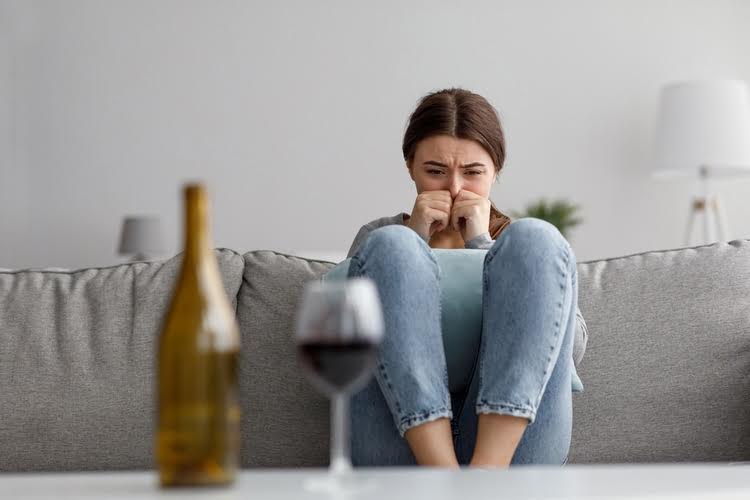
For someone with social anxiety, for example, drinking might seem like a welcome icebreaker. But those relaxed inhibitions can be a double-edged sword, as poor decision-making and awkward interactions only reinforce social anxieties once the fog clears. Depending on alcohol to be social can make you afraid to socialize without it, which limits your scope of connections as your alcoholism social circle narrows to focus on party friends. The connection between alcohol and anxiety goes deeper than the temporary stress relief you feel after a few drinks. Those who use alcohol to cope with their anxiety often find that it bounces back even stronger when they stop drinking.
Why Do I Get Anxiety After Drinking?
Information was available on the subjects’ psychiatric symptoms and AOD-use patterns and problems, both at the time of enrollment into the study and at several points during the long-term follow-up. Schuckit and colleagues have studied the rates of psychiatric disorders in COA’s from a variety of perspectives. Alcohol is a central nervous system depressant, why does alcohol cause anxiety meaning it slows down brain activity. However, when you stop drinking and the alcohol wears off, your brain tries to find balance and regulate neurotransmitters, which leads to a drop in GABA activity.
- As a result, the best way to prevent panic attacks after drinking is to know your limits and avoid drinking to excess.
- Alcohol is a depressant that can initially produce a calming effect.
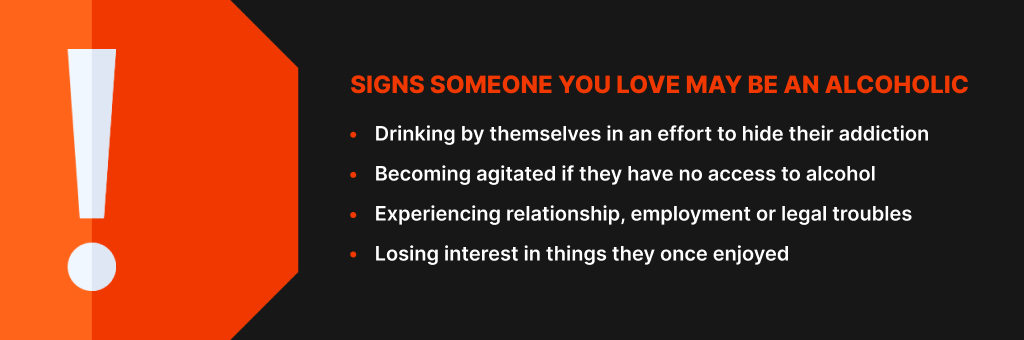
- No matter how much alcohol you consume, if your drinking feels out of control, worries you, or worries those close to you, that’s a good enough reason to seek help.
- Dr. Austin Lin is a double board-certified adult and addiction psychiatrist who has been in practice for over 9 years.